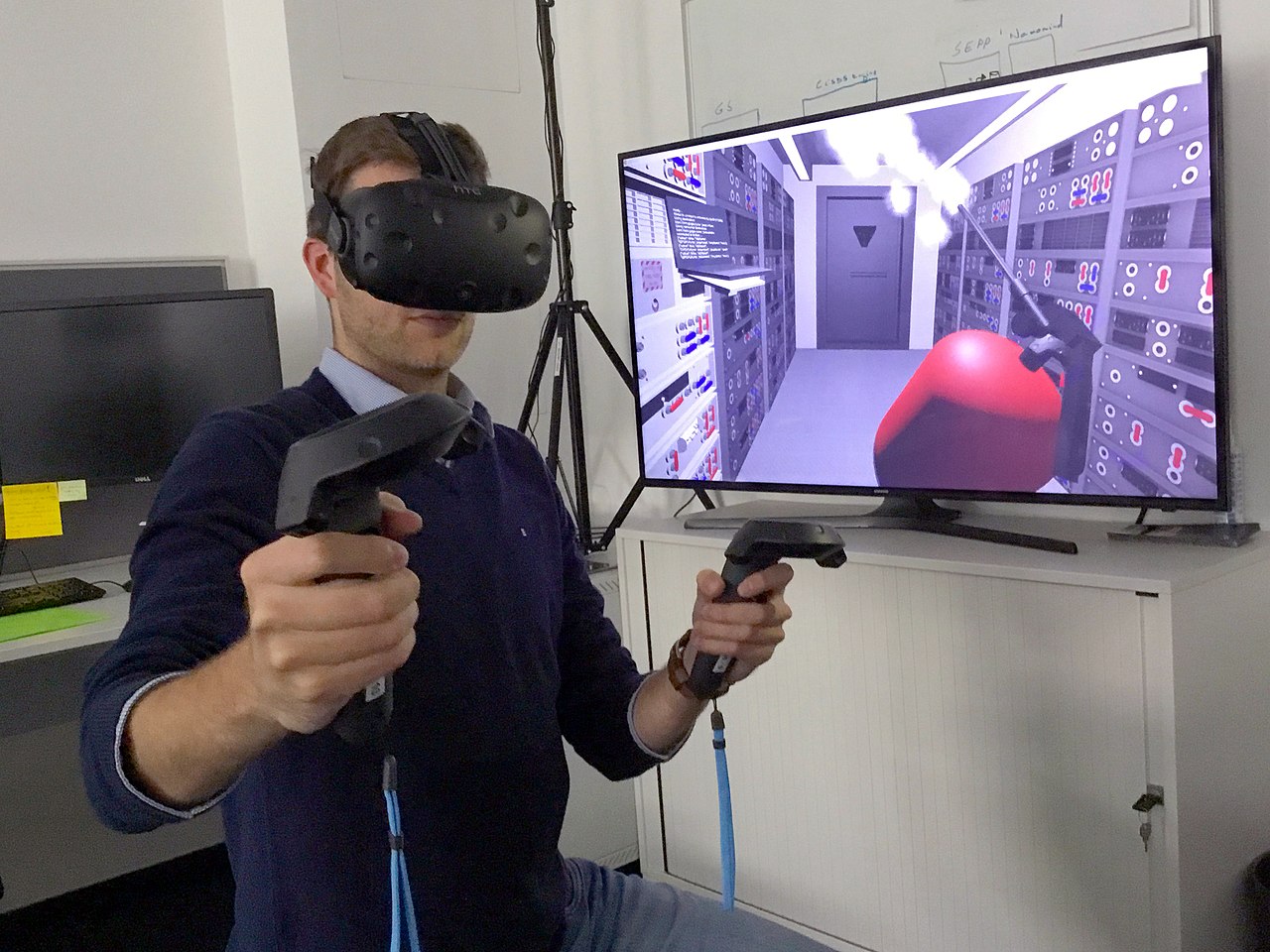
The Sky's the Limit: Unlocking True Flight Sim Immersion with General VR Headsets
For decades, aspiring pilots and aviation enthusiasts have pursued the dream of flight from the comfort of their homes. Flight simulators, from simple desktop programs to highly sophisticated setups, have allowed us to soar through virtual skies. Yet, one element often remained elusive: the feeling of truly being *there*. The advent of virtual reality (VR) technology has dramatically changed this, offering an unparalleled level of immersion that transforms a flat-screen experience into a lifelike adventure. While specialized, high-end vr flight simulator equipment exists, modern general-purpose VR headsets have become incredibly capable and accessible tools for unlocking this profound immersion, putting a genuine cockpit experience within reach for a wider audience.
This article delves into how you can leverage these readily available VR headsets to elevate your flight simulation experience, making them an indispensable part of your vr flight simulator equipment arsenal. We'll explore the unique advantages VR brings, guide you through selecting the right headset, and provide crucial tips for optimizing your setup for the most realistic and engaging virtual flights.
The Transformative Power of VR in Flight Simulation
Stepping into VR for flight simulation isn't just an upgrade; it's a paradigm shift. It redefines what's possible, moving beyond passive observation to active, intuitive engagement with your virtual aircraft and environment.
Beyond the Flat Screen: A True Cockpit Experience
The most immediate and impactful benefit of using VR as vr flight simulator equipment is the incredible sense of presence. Instead of looking *at* a cockpit on a screen, you are suddenly *inside* it. This profound difference manifests in several ways:
- 3D Depth and Scale: Distant mountains truly appear distant, runway lights stretch into the horizon with realistic perspective, and other aircraft have a palpable sense of scale. This depth perception is critical for judging distances, especially during landing approaches or formation flying.
- Natural Head Tracking: With a VR headset, you can simply turn your head to look around the cockpit, scan the instruments, check your wings for icing, or glance out the side window for traffic. This natural movement is infinitely more intuitive than fiddling with hat switches or mouse controls, freeing up your hands for critical flight controls.
- Tactile Cockpit Interaction: While you'll still use physical peripherals, the VR headset allows you to mentally map these controls to their virtual counterparts. Reaching for a gear lever or flipping a switch becomes a more natural, ingrained action because you're seeing it in 3D space, even if you're feeling for a physical control in the real world.
Enhancing Situational Awareness and Procedure Training
VR doesn't just look pretty; it fundamentally improves your ability to pilot the aircraft effectively. The enhanced visual information translates directly into better situational awareness, which is paramount in aviation:
- Spotting Traffic and Landmarks: Being able to freely scan the skies makes spotting other aircraft much easier, crucial for VFR flying and avoiding mid-air collisions. Similarly, identifying landmarks for navigation becomes more intuitive.
- Improved Landing Judgment: The 3D perspective significantly aids in judging glideslopes, flare heights, and runway alignment, leading to smoother, more consistent landings.
- Procedure Familiarity: Practicing complex checklists and emergency procedures in a 3D cockpit environment helps build muscle memory and spatial understanding of switch locations and panel layouts far more effectively than a 2D screen. This is invaluable training for real-world pilots and simmers alike.
Choosing the Right General VR Headset for Your Virtual Cockpit
The market for VR headsets has matured significantly, offering a range of excellent general-purpose devices that serve as fantastic vr flight simulator equipment without requiring specialized, high-cost solutions. When considering which headset to integrate into your flight sim setup, several key specifications come into play.
Key Specifications to Consider
- Resolution and Clarity: For flight sims, high resolution is king. Clear instruments, legible text, and visible distant objects are crucial. Look for headsets with high pixel counts per eye, and ideally, a good Pixels Per Degree (PPD) value, which indicates how sharp the image appears. A crisp display minimizes the "screen door effect" and allows you to read gauges without leaning in excessively.
- Field of View (FoV): A wider FoV increases immersion by filling more of your natural vision, reducing the feeling of looking through binoculars. While not as critical as resolution for reading instruments, a good FoV enhances the feeling of being truly present in the cockpit and in the vast open sky.
- Comfort and Ergonomics: Flight sim sessions can last for hours. A lightweight, well-balanced headset with a comfortable head strap and good adjustability (including IPD - interpupillary distance adjustment) is essential. Poor comfort can quickly lead to fatigue and break immersion.
- Refresh Rate: A higher refresh rate (e.g., 90Hz or 120Hz) provides a smoother visual experience, which is vital for reducing motion sickness and enhancing realism, especially during dynamic maneuvers.
- PC Connectivity: Most modern general VR headsets can connect to a PC, either via a cable (e.g., USB-C Link cable for Meta Quest) or wirelessly (e.g., Air Link, Virtual Desktop). Wireless offers unmatched freedom of movement but requires a robust Wi-Fi network. Ensure the headset you choose has a reliable method for connecting to your powerful flight sim PC.
- Cost-Effectiveness: General headsets like the Meta Quest series offer an excellent balance of performance and price, making them a superb entry point into VR flight simulation. They represent a significant advancement in accessible vr flight simulator equipment.
Popular General Headsets and Their Fit for Flight Sims
Headsets such as the Meta Quest 3 (and its predecessors like the Quest 2) stand out as prime examples of versatile vr flight simulator equipment. They offer a fantastic blend of standalone capability and robust PC VR connectivity. With their improved resolution, wider FoV, and comfortable designs, they deliver a highly immersive experience for popular titles like Microsoft Flight Simulator and X-Plane 12. Their ability to connect wirelessly to your PC via Air Link or Virtual Desktop is a game-changer, eliminating cable distractions and allowing you to set up your physical cockpit peripherals without hindrance.
While other options like the Valve Index or HP Reverb G2 offer different strengths, the Meta Quest series embodies the "general VR headset" philosophy perfectly, providing a compelling package for the flight sim enthusiast without requiring a dedicated, niche solution.
Optimizing Your Setup for Peak Immersion
A great VR headset is only one part of the equation. To truly unlock peak flight sim immersion, you need to consider the entire ecosystem of your vr flight simulator equipment and how it all works together.
PC Hardware Requirements
VR flight simulation is incredibly demanding on hardware, often pushing even high-end PCs to their limits. This is because the PC has to render two unique, high-resolution images simultaneously, often at high frame rates, for extremely complex environments. Key components to focus on include:
- Graphics Card (GPU): This is the single most critical component. Invest in the best GPU you can afford (e.g., NVIDIA RTX 30/40 series, AMD RX 6000/7000 series). Higher VRAM is also beneficial.
- Processor (CPU): A fast, modern CPU with good single-core performance is essential to feed the GPU data effectively.
- RAM: 32GB of RAM is highly recommended for modern flight simulators in VR, especially when running multiple background applications.
- Storage: An NVMe SSD is crucial for fast loading times and smooth streaming of textures, significantly improving the VR experience.
Essential Peripherals
While VR handles the visual aspect, physical controllers are indispensable for tactile feedback and precise control:
- HOTAS (Hands-On Throttle And Stick) or Yoke/Rudder Pedals: These are non-negotiable. They provide the physical input that grounds you in the virtual world. The muscle memory developed with these controls enhances realism and allows for intuitive, eyes-free operation once you've learned your setup.
- Button Boxes & Multi-Panels: These can significantly reduce the need to use a mouse in VR, which can be awkward. Having physical buttons and switches for common functions (avionics, lights, gear, flaps) right at your fingertips is a massive immersion booster.
- Haptic Feedback Systems: Devices like bass shakers mounted to your chair or pedals can provide subtle vibrations that simulate engine rumble, gear deployment, or ground effects, adding another layer of sensory immersion.
Software Configuration and Tweaking
Optimizing your software settings is just as important as powerful hardware:
- In-Sim VR Settings: Every flight sim with VR support will have specific VR rendering settings. Experiment with render scaling, anti-aliasing, cloud quality, and scenery detail. Often, a slight reduction in one setting can yield significant performance gains without a major visual compromise.
- OpenXR Toolkit/Similar Tools: For sims utilizing OpenXR (like Microsoft Flight Simulator), tools like the OpenXR Toolkit allow for advanced tweaks like Foveated Rendering (rendering the center of your view in higher detail than the periphery), sharpening filters, and more, which can dramatically improve performance and visual quality.
- Driver Updates: Always keep your graphics card drivers up to date. Manufacturers frequently release optimizations specifically for VR performance.
- Wireless Settings: If using a wireless connection (e.g., Meta Air Link), ensure your Wi-Fi router is modern (Wi-Fi 6 recommended), on a 5GHz band, and ideally dedicated to your VR headset for minimal latency.
Tips for a Seamless VR Flight Sim Experience
Embarking on your VR flight sim journey is exciting, but a few practical tips can help ensure a smooth takeoff and enjoyable flights:
- Start Small: Don't jump straight into flying a complex airliner in adverse weather. Begin with a simpler aircraft in good conditions to get accustomed to VR, your controls, and the sensation of immersion.
- Prioritize Comfort: Before every flight, take a moment to properly adjust your headset straps, ensure the IPD (Interpupillary Distance) is correctly set for your eyes, and take regular breaks. Comfort is key for long-duration flying.
- Mitigate Motion Sickness: If you're new to VR, motion sickness can be an issue. Strategies include ensuring a high, stable frame rate, using a fan to create airflow, taking ginger supplements, and gradually increasing your session length. Look for VR settings that smooth out head movements rather than snapping.
- Cable Management: If you're using a wired PC VR connection, invest in a good cable management system (like ceiling pulleys) to prevent the cable from snagging or becoming a tripping hazard. This helps maintain immersion and safety.
- Leverage Community Resources: The flight sim and VR communities are vast and incredibly helpful. Forums, YouTube tutorials, and dedicated Discord servers are excellent places to find optimization guides, troubleshooting tips, and advice specific to your vr flight simulator equipment.
- For an in-depth look at specific hardware, check out our guide on Exploring VR Headset Options for Flight Simulation Setups. To deepen your understanding of the underlying technology, refer to Understanding Virtual Reality for Flight Simulator Enthusiasts.
Conclusion
The journey from staring at a flat screen to truly being *inside* the cockpit of a virtual aircraft is one of the most exciting developments in flight simulation. Modern general-purpose VR headsets have democratized this experience, making high-quality immersion accessible to a broad audience. By understanding the key specifications, optimizing your PC hardware, selecting the right peripherals, and meticulously configuring your software, you can transform your flight sim setup into a breathtaking, lifelike experience. These accessible VR headsets are no longer just gaming gadgets; they are powerful and essential vr flight simulator equipment that unlock a new dimension of realism and engagement, allowing you to chase the sunrise and navigate complex airspace with unprecedented presence. Embrace the future of flight simulation—it's truly an experience like no other.